Family Hubs Early Intervention: Integrating Incredible Years
Connection First. Problem-Solving Second
by Carolyn Webster-Stratton, M.S., M.P.H., Ph.D.
“Strong opinions and strong relationships do not have to be opposites.”
Disagreement is inevitable in thoughtful professional conversations. What matters most is how we handle it. At a recent professional meeting, I found myself reflecting on the intensity of some disagreements. Participants held strong views about terminology, methods, and the “right” approach to solving a problem. Some voices grew louder and more assertive, while others became quieter and seemed to withdraw from the conversation.
Moments like this reflect a broader communication climate we see today. Public conversations often escalate quickly into blame, defensiveness, and polarized thinking. When disagreement feels unsafe, people tend to respond in two ways: pushing harder to defend their position or pulling back and disengaging. Unfortunately, neither response strengthens relationships or leads to thoughtful solutions.
The Importance of the Pause
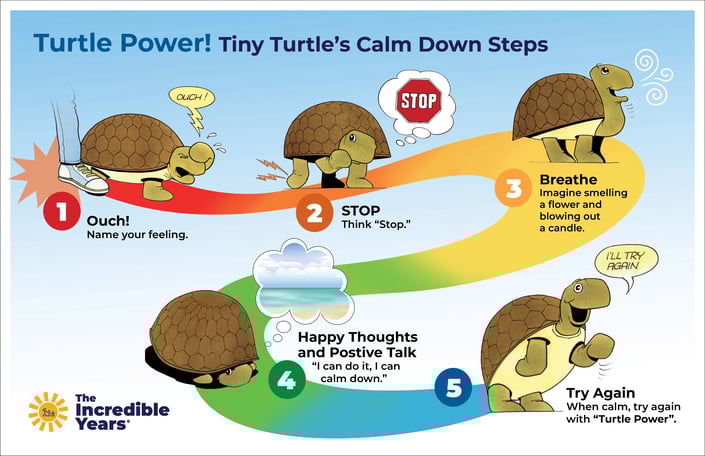
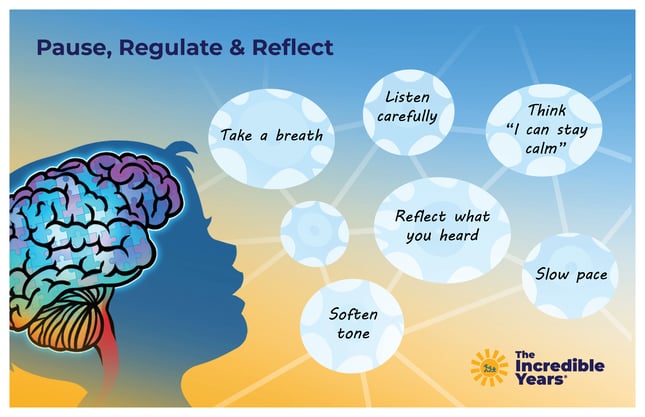
 In these moments, I try to remind myself to pause — to slow down, breathe, and settle my body before responding. The self-regulation "Turtle Power" strategies we often encourage in children apply equally to adults. Neuroscience tells us that when we pause and calm ourselves, we move from reactive survival responses toward more reflective and collaborative thinking.
From Winning to Understanding
Managing disagreement well is essential to building trust, and trust is the foundation of meaningful dialogue and learning. The goal of disagreement should not be to determine who is right or wrong. Rather, it is to think together — exploring ideas, testing assumptions, and identifying thoughtful solutions while respecting different perspectives.
At a time when hostility often dominates public discourse, how we communicate during disagreement matters more than ever. When we approach differences with curiosity, calmness, and respect, conflict can become an opportunity for learning rather than division. Handled with curiosity and dignity, disagreement can deepen understanding, strengthen relationships, and lead to wiser decisions. Here are a few tips to manage disagreement successfully.
Hot Tips: Managing Disagreement Without Disconnection
Stay Curious, Calm, and Solution-Focused
Pause and Regulate First – Use Turtle Power
Think “Stop.”
Take a breath before responding.
Notice defensiveness and soften tone.
 In moments of disagreement, a brief pause can change the direction of a conversation. When emotions rise, the brain naturally shifts toward quick defensive reactions. A few slow breaths help settle the nervous system and allow the thinking parts of the brain to re-engage.
That small pause creates space to:
Often the most productive conversations begin with a moment of calm.
Lead with Curiosity
Assume Positive Intent
Acknowledge Thoughtful Contributions
Challenge Ideas with Respect
Look for Shared Goals

Encourage Open Dialogue

Download these Hot Tips: Managing Disagreement Without Disconnection
New Poster - Tiny Turtle's Steps