Family Hubs Early Intervention: Integrating Incredible Years
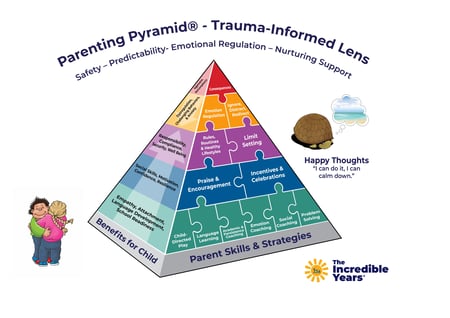
Celebrating 40 Years of Research Behind The Incredible Years® Evidence-based Programs, developed by Carolyn Webster-Stratton, PhD
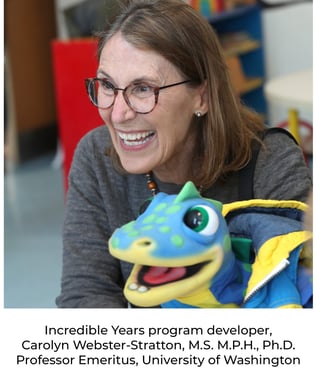
For more than four decades, The Incredible Years® group video-based programs, developed by Carolyn Webster-Stratton, have stood as one of the most widely researched and globally implemented early‑intervention programs aimed at strengthening parent and teaching approaches that boost, children’s cognitive, language, social‑emotional development, and reduce their challenging behaviors.
Over this time, multiple randomized control group trials (RCTs) of The Incredible Years® (IY) programs have been conducted, utilizing validated report measures and independent home and classroom observations. Randomized control group trials are broadly recognized as the gold standard for evaluating interventions. Dr. Webster-Stratton and independent researchers have rigorously tested whether these IY programs help parents, teachers, and children improve adult-child interactions and children’s cognitive social-emotional skills, and reduce challenging behaviors.
The Incredible Years programs are a suite of separate but complementary evidence-based programs designed for:
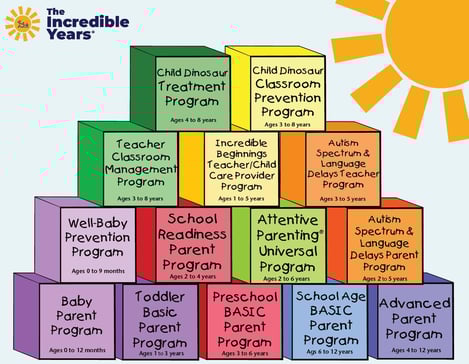
Together, these Parent, Teacher, and Child programs aim to prevent and treat early child behavior and emotional difficulties and to foster social and academic success across home and school contexts. These programs can be offered independently, or combined to increase the positive impacts for high-risk families or children with diagnoses such as Oppositional Defiant Disorder, ADHD and developmental delays.
A program is evidence-based when it has been rigorously researched with experimental studies that employ the following methods:
Randomized controlled trials help answer the question, “Would these changes have happened without the program?” By randomly assigning participants to intervention or control groups, researchers can more confidently attribute outcomes to the IY programs rather than to external factors. When dozens of RCTs replicate similar findings across times, places, and researchers, confidence in the effectiveness of the programs rises.
Multiple RCTs on the Incredible Years group video-based programs utilizing independent observations were conducted by Dr. Webster-Stratton and her team at the University of Washington beginning in the 1980s and 1990s. These RCTs, funded by The National Institute of Health agencies, demonstrated improvements in parenting practices and reductions in children’s behavior problems. These formative parent intervention trials — 9 RCT treatment trials and 4 RCT prevention trials by IY program developer Carolyn Webster-Stratton — laid the foundation for subsequent research across diverse settings and populations. (For a review of these studies, see Webster-Stratton & Reid, 2010, Webster-Stratton, 2013; Piscitello, J. & Webster-Stratton, C., 2026).
In the 2000s, independent researchers began conducting RCTs of Incredible Years Parent Programs (Baby, Toddler, Preschool, School Age) in other countries, as prevention and treatment programs. Together, there have been 14+ independent RCTs conducted in several different countries, including Canada, Finland, Ireland, Netherlands, Norway, Portugal, Spain, the United Kingdom, and the USA. (For a review of these studies, see Webster-Stratton, 2015; Webster-Stratton, 2016; Webster-Stratton & Bywater, 2019).
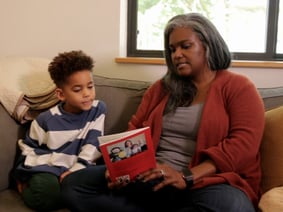
These studies have consistently found positive results for families:
By the late 1990s and into the 2000s, RCTs were extended beyond parents to include teachers and child programs — the Incredible Years Small Group Treatment and Classroom Prevention Child Training programs, and the two Teacher Training programs: The Incredible Beginnings for early childhood teachers and the Teacher Classroom Management Program for primary grade teachers.
There have been several RCTs of the Incredible Years Child Training Program, "Dinosaur School" — 3 RCT treatment trials & 2 prevention trials by developer Carolyn Webster-Stratton (see Webster-Stratton & Reid, 2003; Webster-Stratton, et al., 2008) and 3+ independent RCTS from countries including Norway, Spain, the UK, and the US (see Drugli & Larsson, 2006, Webster-Stratton, 2016; LaForett et al., 2019). Outcomes of the IY Child Training Program have been shown to enhance outcomes of the Parent Program and include:
Increased social skills, emotional regulation skills, and problem-solving skills
Increased school readiness
Three RCTs of the IY Teacher Classroom Management Program were conducted by IY program developer, Carolyn Webster-Stratton, and 7+ RCTs were conducted by independent researchers in Ireland, Norway, Portugal, the UK and the US. (see Webster-Stratton et al., 2011; Webster-Stratton, 2016; Nye et al., 2018; Reinke et al., 2018; Seabra-Santos et al., 2018). Results have shown that combining the IY Teacher program with the IY Parent program enhances positive outcomes for children and teachers, including:
Long-term studies from the United States and United Kingdom followed up with children diagnosed with conduct problems whose parents had received the Incredible Years parent program 8 to 10 years earlier, demonstrating that the positive effects of the program persisted. (see Webster-Stratton et al., 2011; Scott et al., 2014).
Meta-analyses - large cluster RCTs involving thousands of children and multiple research studies - have examined the Incredible Years Parenting program. One meta-analysis examined 50 studies of the IY Parent program, finding that Incredible Years was successful in improving child behavior in a diverse range of families in different countries, especially for children with the most severe behavior problems. (Menting et al., 2013).
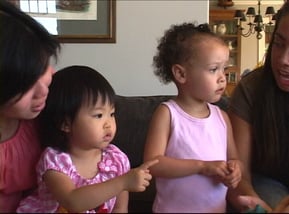 New IY programs have been developed to address younger age groups. For example, IY Attentive Parent Prevention program for children ages 2-5 years, the Autism Parent and Teacher Programs for children with autism and language delays ages 2-5 years, and Incredible Beginnings Program for day care providers and teachers of children 1-5 years. The most recent waves of RCT studies with these programs are showing promising effects.
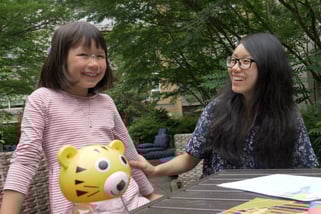 The body of research evidence shows that IY increases use of positive parenting strategies such as child directed play, language, academic, persistence, social, emotion coaching methods, effective praise, predictable routines, and proactive discipline, problem solving and improved parent-child relationships.
Children whose parents or teachers participated in IY programs show fewer conduct problems and better emotion regulation at home and in school. Children participating in the child‑training programs demonstrate reductions in aggression, conduct problems, and disruptive behaviors, and improved problem-solving, emotion literacy, and social-emotional skills.
 IY programs teach children to understand and express feelings, solve problems, manage anger, and navigate friendships—skills that research strongly links to long‑term academic and social success. These gains are reinforced through small‑group practice, classroom lessons, and parent-teacher partnerships.
Teachers trained in IY strategies learn to encourage language and reading development, prosocial behavior, and report improved classroom management, more positive relationships with students, and reductions in disruptive behaviors, as well as increased positive partnerships with parents.
Studies have taken place in primary care and mental health clinics, schools, Head Start programs, and real-world child welfare contexts including the Incredible Years Home Coaching model — supporting the transportability of the intervention in everyday practice.
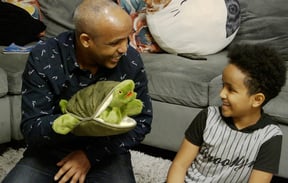 RCTs have been conducted in Europe, North America, and other regions with culturally diverse samples, indicating that the programs can be effective across cultural and socioeconomic contexts. Incredible Years® programs have expanded to 20+ countries and have been translated into more than a dozen languages, underscoring both the program’s cultural adaptability and its scientific robustness.
Multiple independent studies demonstrate sustained improvements in parenting confidence, child social‑emotional development, and decreased behavior problems years after program completion.
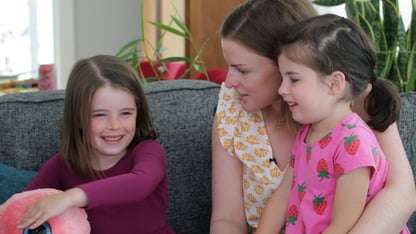
Over 40 years of randomized controlled trials have firmly established the Incredible Years series as one of the most evidence-supported parenting, teaching and early childhood interventions in practice today. From foundational early trials to large-scale school and community studies with culturally diverse populations, this body of research shows meaningful impact on parenting, teaching, and child behavior at home and at school.
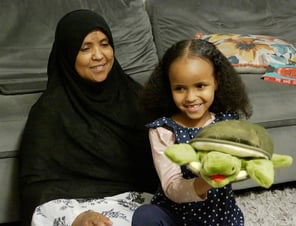 Today, using this body of research as the foundation, IY programs continue to be updated with revisions to group leader manuals, updated vignettes and new content based on on-going parent and teacher feedback and evaluations. In 2025 an updated version of the Basic Parent Program was released with video examples of more diverse families and expanded content related to ways to promote children’s resiliency and the importance of routines related to healthy lifestyles (exercise, healthy food and healthy screen time), and promoting self-regulation on the part of parents and children.
Whether you’re a parent, teacher, clinician, or policymaker, the extensive RCT legacy of the Incredible Years programs offers a compelling model of what evidence-based early intervention can achieve.
Please see the Incredible Years Library of Research for RCTs conducted by program developer, Carolyn Webster-Stratton, and independent replications conducted worldwide.
References
Arruabarrena, I., Rivas, G. R., Cañas, M., and Paúl, J. D. (2022). The Incredible Years parenting and child treatment programs: A randomized controlled trial in a child welfare setting in Spain. Psychosocial Intervention, 31(1), 43–58.
Azevedo, A., Seabra-Santos, M.J., Gaspar, M.F., & Homem, T. (2015). Do Portuguese Preschoolers With High Hyperactive Behaviors Make More Progress Than Those With Low Hyperactivity After Parental Intervention? Journal of Early Intervention, 37(2), 119-137.
Constantino, J.N., Buchanan, G., Tandon, M., Bader, C., Jonson-Reid, M. (2023). Reducing Abuse and Neglect Recurrence Among Young Foster Children Reunified With Their Families. Pediatrics: 152(3).
Dababnah, S., Olson, E.A. and Nichols, H.M. (2019). Feasibility of The Incredible Years Parent for Preschool Children on the Autism Spectrum in two U.S. sites. Research in Autism Spectrum Disorders 57: p. 120-131.
Drugli, M.B., Larsson, B. (2006). Children aged 4–8 years treated with parent training and child therapy because of conduct problems: Generalisation effects to day-care and school settings. Child Adolescent Psychiatry 15: 392-399.
Gaspar, M. F., Patras, J., Hutchings, J., et al. (2023). Effects of a Teacher Classroom Management program on preschool teachers’ practices and psychological factors: A randomized trial with teachers of children from economically disadvantaged families. Early Education and Development, 34(3), 626–647.
Karjalainen, P., Kiviruusu, O., Aronen, E. T., & Santalahti, P. (2019). Group-based parenting program to improve parenting and children's behavioral problems in families using special services: A randomized controlled trial in a real-life setting. Children and Youth Services Review, 96, 420-429.
LaForett, D. R., Murray, D. W., Reed, J. J., Kurian, J., Mills-Brantley, R. and Webster-Stratton, C. (2019). Delivering the Incredible Years® Dina Treatment Program in Schools for Early Elementary Students with Self-Regulation Difficulties. Evidence-Based Practice in Child and Adolescent Mental Health.
Letarte, M. J., Normandeau, S., & Allard, J. (2010). Effectiveness of a parent training program “Incredible Years” in a child protection service. Child Abuse and Neglect, 34(4), 253–261.
McGilloway, S., Ni Mhaille, G., Bywater, T., Leckey, Y., Kelly, P., Furlong, M., Comiskey, C. and Donnelly, M. A. (2012) Parenting Intervention for Childhood Behavioral Problems: A Randomised Controlled Trial in Disadvantaged Community-based Settings. Journal of Consulting and Clinical Psychology.
Menting, A.T.A, Orobio de Castro, B., & Matthys, W. (2013), Effectiveness of the Incredible Years parent training to modify disruptive and prosocial child behavior: A meta-analytic review. Clinical Psychology Review 33 8: 901-913.
Nye, E., Melendez-Torres, G.J. and Gardner, F. (2019), Mixed methods systematic review on effectiveness and experiences of the Incredible Years Teacher Classroom Management programme. Review of Education, 7: 631-669.
Perrin, E. C., Sheldrick, R. C., McMenamy, J. M., Henson, B. S., & Carter, A. S. (2014). Improving parenting skills for families of young children in pediatric settings: A randomized clinical trial. JAMA Pediatrics, 168(1), 16-24
Piscitello, J. & Webster-Stratton, C. (2026, in press) The Incredible Years Parent Program: Four Decades of Evidence-Based Parenting Support. Research and Delivery. In T. Del Vecchio, and M.D. Terjesen, Eds., Handbook of Behavioral Parent Training. American Psychological Association: APA Press.
Reinke, W.M., Herman, K.C., & Dong, N. (2018). The Incredible Years Teacher Classroom Management Program: Outcomes from a Group Randomized Trial. Prevention Science 19: 1043–1054
Scott, S., Briskman, J., & O'Connor, T.G. (2014). Early prevention of antisocial personality: Long-term follow-up of two randomized controlled trials comparing indicated and selective approaches. The American Journal of Psychiatry, 171: 649-657.
Seabra-Santos, M.J., Gaspar, M.F., Azevedo, A.F., et al. (2016). Incredible Years parent training: What changes, for whom, how, for how long? Journal of Applied Developmental Psychology, 44: p. 93-104.
Seabra-Santos, M.J., Gaspar, M.F., Major, S.O. et al. (2018). Promoting Mental Health in Disadvantaged Preschoolers: A Cluster Randomized Controlled Trial of Teacher Training Effects. Journal of Child and Family Studies 27, p. 3909–3921.
Seabra-Santos, M., Major, S., Patras, J. et al. (2022). Transition to Primary School of Children in Economic Disadvantage: Does a Preschool Teacher Training Program Make a Difference?. Early Childhood Educ J 50, 1071–1081.
Sicotte, R., Letarte, M. J., Hélie, S., & Mallette, I. A. L. (2018). Moderating role of the form of maltreatment experienced by children on the effectiveness of a parent training program. Child Maltreatment, 23(4), 334-343
Villalta, L., Elias, M., Llorens, M., Vall-Roqué, H., Romero-González, M., & Valencia-Agudo, F. (2025). Implementation of the incredible years-ASLD® program in autism and preterm children with communication and/or socialization difficulties in Spain (FIRST STEPS): a feasibility study. Children and Youth Services Review 177.
Webster-Stratton, C. (2011). The Incredible Years Parents, Teachers, and Children Training Series: Program Content, Methods, Research and Dissemination,
1980–2011. Published by The Incredible Years, Inc., Seattle, WA.
Webster-Stratton, C. (2015). The Incredible Years Parent Programs: Methods and Principles that Support Fidelity of Program Delivery. in Evidence-Based Parenting Education: A Global Perspective. J. Ponzetti, Editor. Routledge.
Webster-Stratton, C. (2016). The Incredible Years series: A developmental approach. In Family-Based Prevention Programs for Children and Adolescents: Theory, Research, and Large-Scale Dissemination (pp. 42-67). M. Van Ryzin, K. Kumpfer, G. Fosco, & M. Greenberg, Editors. New York, NY: Psychology Press.
Webster-Stratton, C., & Bywater, T. (2019). The Incredible Years® series: An internationally evidenced multi-modal approach to enhancing child outcomes. In B. Fiese, M. Whisman, M. Celano, K. Deater-Deckard, and E. Jouriles (Eds.), APA Handbook of Contemporary Family Psychology.
Webster-Stratton, C., & Reid, M. J. (2003). Treating Conduct Problems and Strengthening Social and Emotional Competence in Young Children: The Dina Dinosaur Treatment Program. Journal of Emotional and Behavioral Disorders, Vol 11. No.3 130-143.
Webster-Stratton, C., & Reid, M. J. (2010). The Incredible Years parents, teachers and children training series: A multifaceted treatment approach for young children with conduct problems. In A. E. Kazdin & J. R. Weisz (Eds.), Evidence-based psychotherapies for children and adolescents (2nd ed., pp. 194–210). New York, NY: Guilford.
Webster-Stratton, C., Reid, M. J., & Stoolmiller, M. (2008). Preventing conduct problems and improving school readiness: Evaluation of the Incredible Years Teacher and Child Training Programs in high-risk schools. Journal of Child Psychology and Psychiatry 49(5), 471-488.
Webster-Stratton, C., Reinke, W., & Herman, K.C., (2011). The Incredible Years Teacher Classroom Management Training: The Methods and Principles that Support Fidelity of Training Delivery. School Psychology Review, V. 40.4. pp. 509-529.
Webster-Stratton, C., Rinaldi, J., & Reid, M.J. (2011). Long-term outcomes of Incredible Years parenting program: Predictors of adolescent adjustment. Child and Adolescent Mental Health 16: 38-46.
Williams, M. E., Hastings, R. P., & Hutchings, J. (2020). The Incredible Years Autism Spectrum and Language Delays Parent Program: A pragmatic, feasibility randomized controlled trial. Autism Research, 13(6), 1011-1022.
Zhou, X., Lee, R. M., & Ohm, J. (2021). Evaluating the Feasibility of the Incredible Years Attentive Parenting Program as Universal Prevention for Racially Diverse Populations. Journal of Prevention and Health Promotion, 2(1), 32-56.